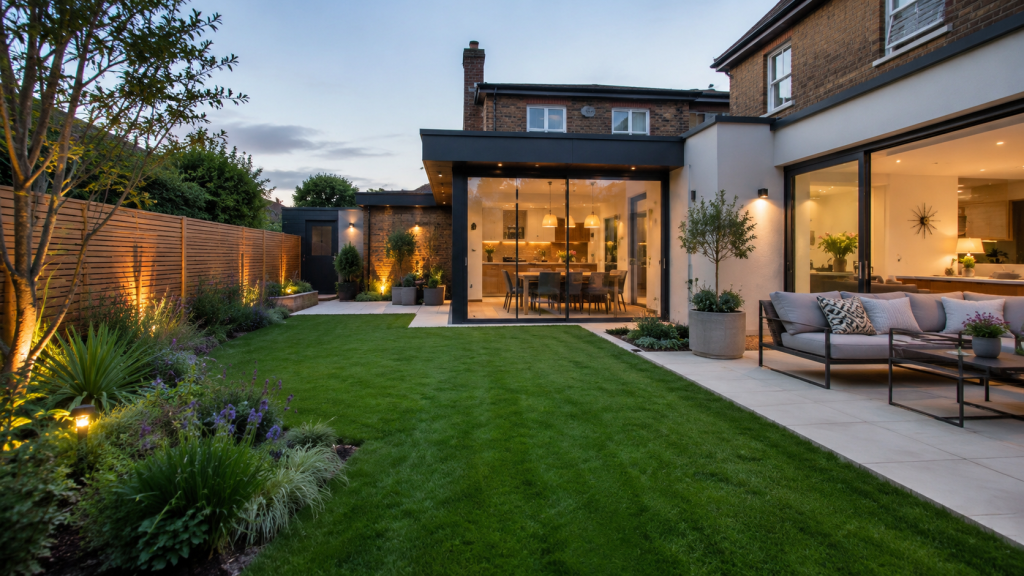

A house extension can change your home in amazing ways. You gain more space, better comfort, and a fresh look. Yet many people focus only on the building work and forget about the garden. Once the extension is complete, the outdoor area may feel smaller, disconnected, or out of balance. Ready to seamlessly blend your new indoor space with the outdoors? Discover our expert tips for garden design after house extension.
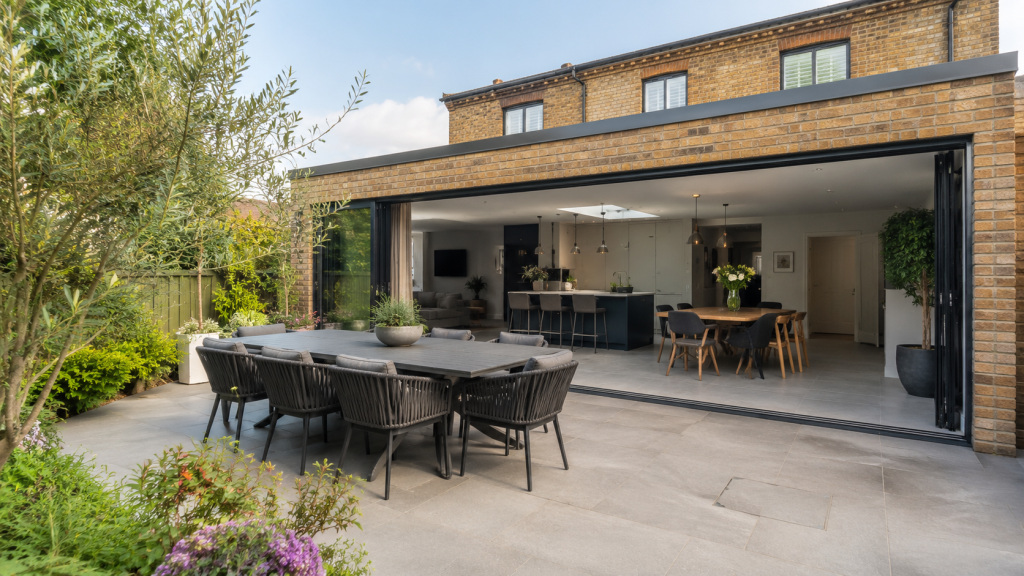
That is why How to Plan Your Perfect Garden Design After a House Extension is such an important topic. A well-planned garden helps your new space feel complete. It creates a smooth link between your home and nature.
I remember visiting a friend after they added a large rear extension. The new room looked beautiful. However, the garden felt cramped and unfinished. After a few simple landscaping changes, the entire property looked balanced again. That experience showed me how powerful thoughtful garden planning can be.
In this guide, you will learn practical steps to create a beautiful, functional, and welcoming outdoor space.
Why Garden Planning Matters After an Extension
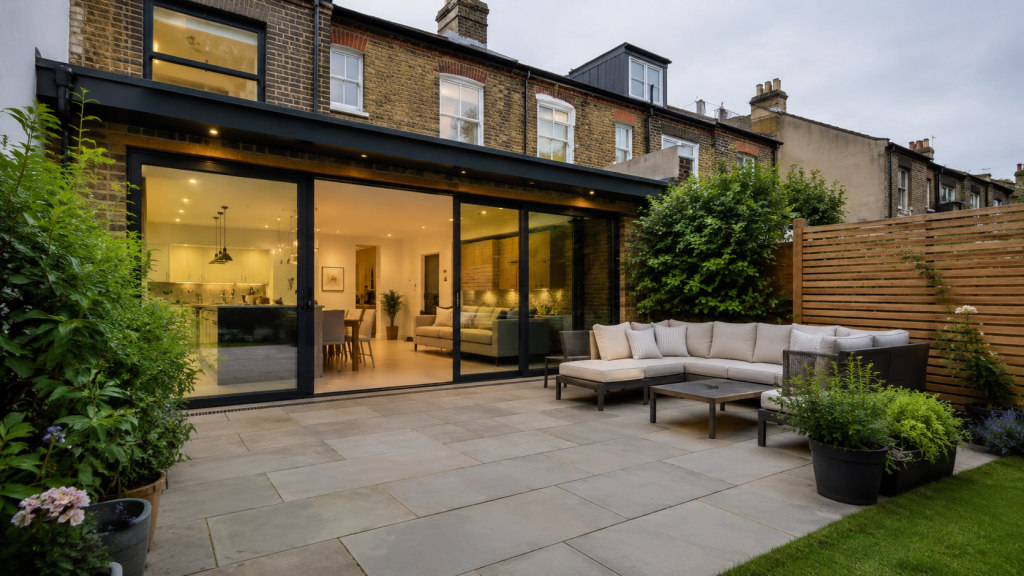
A house extension often changes the shape of your garden. It may reduce lawn space, alter sunlight patterns, or affect pathways.
Without proper planning, the outdoor area can feel like an afterthought. A garden should complement your home rather than compete with it.
Good garden design creates harmony. It helps your property look larger, more organized, and more inviting. It also improves property value and daily enjoyment.
Think of your garden as the frame around a beautiful picture. Even the best extension can lose its impact if the surrounding landscape does not support it. Don’t let your outdoor space become an afterthought! Read our comprehensive guide on garden design after house extension today.
Assess Your New Outdoor Space
Before making changes, spend time studying your garden. Walk around at different times of the day. Observe sunlight, shade, and wind patterns.
Take notes on what has changed since the extension was built. Areas that once received full sun may now be shaded.
Consider the following:
- Garden size after the extension
- Sun and shade zones
- Existing plants
- Drainage conditions
- Privacy concerns
- Access routes
This simple assessment provides a solid foundation for every design decision.
Create a Clear Garden Vision
Many homeowners rush into buying plants or furniture. This often leads to clutter and wasted money.
Instead, think about how you want to use the garden. Ask yourself a few questions.
- Do you enjoy entertaining guests?
- Do you need a play area?
- Do you want a relaxing retreat?
- Do you enjoy gardening?
- Do you need outdoor dining space?
Your answers will shape the overall design.
A garden should support your lifestyle. The most beautiful gardens are often the ones that serve real daily needs.
Connect Indoor and Outdoor Spaces
One key part of How to Plan Your Perfect Garden Design After a House Extension is creating a strong connection between inside and outside.
Modern extensions often feature large glass doors. Use this opportunity to visually extend your living area into the garden.
Choose materials that complement indoor flooring. Similar colors and textures create a seamless transition.
Large-format paving stones work especially well for this purpose. They help blur the line between indoor and outdoor spaces.
The result feels natural and elegant.
Understanding Garden Zones
Dividing your garden into zones makes the space more functional.
Each zone serves a specific purpose. This approach works well in both large and small gardens.
| Garden Zone | Purpose |
| Patio Area | Dining and relaxation |
| Lawn Area | Play and recreation |
| Planting Beds | Visual interest and biodiversity |
| Pathways | Easy movement |
| Quiet Corner | Reading and relaxation |
| Utility Space | Storage and practical tasks |
Zoning helps prevent a garden from feeling crowded or confusing.
Make the Most of Limited Space
Many extensions reduce available garden space. This does not mean your garden must feel small.
Use clever design techniques to create a sense of openness.
Consider:
- Vertical planting
- Raised beds
- Built-in seating
- Multi-purpose furniture
- Slim borders
- Reflective surfaces
These features maximize functionality without overwhelming the space.
A small garden can feel surprisingly spacious when designed thoughtfully.
Choose the Right Garden Layout
Layout is the backbone of successful landscaping.
Straight lines often create a modern appearance. Curved lines feel softer and more natural.
Think carefully about movement. Visitors should be able to move comfortably throughout the garden.
Avoid placing large features in areas that block pathways.
A good layout feels effortless. Everything appears exactly where it belongs.
Plan Your Patio Carefully
The patio often becomes the heart of the garden after an extension.
Position it close to the house for easy access. Consider how sunlight moves throughout the day.
A south-facing patio may receive strong afternoon sun. Adding shade solutions can improve comfort.
Popular options include:
- Pergolas
- Shade sails
- Retractable awnings
- Garden umbrellas
A comfortable patio encourages more outdoor living.
Select Plants That Match the Space
Plant selection plays a huge role in garden success.
Choose plants based on your local climate, sunlight conditions, and maintenance preferences.
A mix of trees, shrubs, perennials, and ornamental grasses creates visual depth.
Good plant choices include:
- Lavender
- Hydrangeas
- Boxwood
- Salvia
- Japanese maple
- Ornamental grasses
Layering plants of different heights creates a richer and more balanced landscape.
Think About Year-Round Interest
Many gardens look wonderful in summer but become dull in winter.
Aim for seasonal variety.
Include:
- Spring flowers
- Summer blooms
- Autumn color
- Winter structure
Evergreen plants provide consistency throughout the year.
A garden with year-round appeal remains attractive regardless of season.
Improve Privacy Naturally
Extensions sometimes increase visibility from neighboring properties.
Privacy should be addressed early in the design process.
Natural screening often feels more attractive than fences alone.
Consider:
- Hedges
- Climbing plants
- Decorative trees
- Trellises
- Bamboo screens
These elements create privacy while maintaining a pleasant appearance.
Add Outdoor Lighting
Lighting transforms a garden after sunset.
It also improves safety and usability.
Focus on key areas:
- Pathways
- Seating areas
- Steps
- Feature plants
- Water features
Warm lighting creates a welcoming atmosphere.
A well-lit garden often feels larger and more luxurious.
Include Water Features for Relaxation
Water adds movement, sound, and tranquility.
Even small gardens can benefit from a compact feature.
Popular choices include:
- Wall fountains
- Pondless waterfalls
- Reflection bowls
- Modern water walls
The gentle sound of flowing water can make a space feel calm and peaceful.
Many homeowners find it helps create a retreat-like atmosphere.
Consider Sustainable Garden Design
Sustainability is becoming a major part of modern landscaping.
Environmentally friendly choices benefit both your garden and the planet.
Consider:
- Native plants
- Rainwater harvesting
- Permeable paving
- Composting
- Pollinator-friendly flowers
Sustainable gardens often require less maintenance while supporting local wildlife.
This creates a healthier outdoor environment.
Budget Planning for Garden Projects
A beautiful garden does not require an unlimited budget.
Create a clear spending plan before starting.
Prioritize essential features first.
| Priority Level | Garden Feature |
| High | Patio and pathways |
| High | Soil preparation |
| Medium | Planting schemes |
| Medium | Lighting |
| Low | Decorative accessories |
| Low | Water features |
Phased improvements can spread costs over time while still delivering great results.
Avoid Common Garden Design Mistakes
Many homeowners repeat the same errors after an extension.
Common mistakes include:
- Overcrowding plants
- Ignoring sunlight changes
- Poor drainage planning
- Choosing oversized features
- Lack of storage space
- Inconsistent design themes
Avoiding these issues can save both time and money.
Simple planning often prevents costly corrections later.
The Importance of Professional Advice
Some projects benefit from expert guidance.
Landscape designers can provide valuable insights about layout, materials, and planting.
Professional advice is especially useful for:
- Sloped gardens
- Drainage challenges
- Complex layouts
- Large properties
Even a single consultation can provide ideas that improve the final result.
Bringing Personality Into Your Garden
The best gardens reflect the people who use them.
Add elements that make the space feel personal.
This could include:
- Family seating areas
- Favorite flowers
- Decorative pots
- Outdoor artwork
- Herb gardens
A garden should tell your story.
Small personal touches often create the strongest emotional connection.
Conclusion
Learning How to Plan Your Perfect Garden Design After a House Extension helps you create an outdoor space that feels balanced, useful, and beautiful. The goal is not simply to fill empty space. It is to build a garden that works with your new home and supports your lifestyle.
Start with a clear vision. Understand your garden’s strengths and challenges. Create functional zones, choose suitable plants, and focus on long-term enjoyment.
A thoughtful garden design can transform an extension from a simple building project into a complete living experience. With careful planning, your outdoor space can become one of the most rewarding parts of your home.
Frequently Asked Questions
1. When should I start planning my garden after a house extension?
Ideally, start planning before construction is completed. Early planning helps coordinate landscaping with building work.
2. How can I make a smaller garden look larger?
Use vertical planting, clear pathways, simple layouts, and light-colored materials to create a sense of space.
3. What is the best patio material for modern extensions?
Porcelain paving, natural stone, and large-format concrete slabs are popular choices for modern homes.
4. How do I improve privacy in my garden?
Hedges, trees, climbing plants, and decorative screens provide attractive privacy solutions.
5. Should I hire a landscape designer?
For complex projects or large gardens, professional guidance can save time and help avoid costly mistakes.
6. What plants work well in newly redesigned gardens?
Lavender, salvia, hydrangeas, ornamental grasses, and evergreen shrubs are excellent options.
7. How can I create year-round interest in my garden?
Combine evergreen plants, seasonal flowers, colorful foliage, and structural features for continuous appeal.
